This post may contain affiliate links. Please read our disclosure policy.
If you love salads that taste like sunshine, this Wild Green Zaatar Salad will instantly win your heart. Made with just a handful of simple ingredients—fresh wild zaatar leaves, onions, lemon juice, olive oil, and a sprinkle of salt—it bursts with bright, tangy, and herbaceous flavor in every bite. Refreshing, aromatic, and ready in minutes, it’s the perfect taste of Lebanese countryside simplicity.
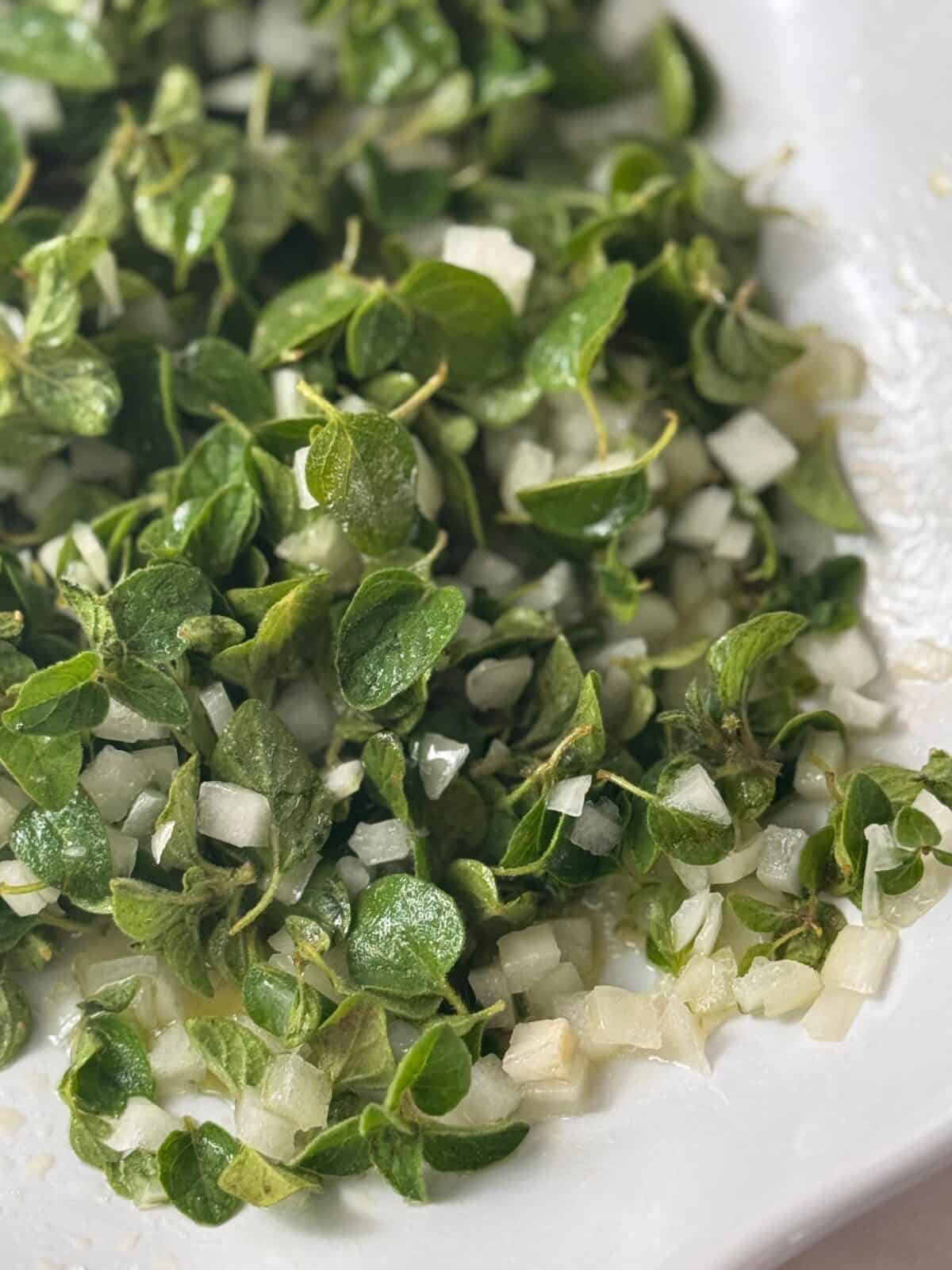
I grew up knowing that Wild Green Zaatar Salad wasn’t just food—it was a piece of our Lebanese heritage. Back in the day, our grandparents would wander through the hills in springtime, gently picking fresh zaatar leaves that grew wild across the mountains. The scent alone was unforgettable—earthy, herbal, and filled with nostalgia.
Every family had their own way of making this simple salad, usually tossing the tender leaves with olive oil, lemon, and onion. Even today, it’s one of the most loved village dishes in Lebanon—served alongside grilled meats, labneh, or simply scooped up with warm pita. Making it now always takes me back to those quiet mornings in the countryside, when the air smelled of thyme and sunshine.
Table of Contents
Recipe Overview
- Flavor Profile: Herbal, tangy, savory, light
- Cooking Method: No cooking — wash, toss, serve
- Skill Level: Very easy — perfect for beginners
- Occasion: Side dish, mezze table, light lunch, picnic
- Dietary Notes: Vegan, gluten-free, plant-based
Ingredients
- fresh wild green zaatar leaves (picked off stems)
- onion
- Juice of 1–2 lemons
- extra virgin olive oil
- Salt, to taste
- Pita bread or markook, for serving
(Optional variations: if you can’t find wild zaatar, use fresh thyme + oregano mixture)
Ingredient Spotlight: Wild Zaatar
What gives this salad its signature flavor is the wild zaatar leaves themselves—an aromatic herb often called “wild thyme” or “green zaatar” in the Levant. These leaves carry bright, slightly minty, earthy tones that pair beautifully with citrus and olive oil.
Unlike the dried zaatar spice blend (which includes sesame seeds, sumac, and salt), using the fresh leaves allows the herb’s essential oils to shine. In regions where wild zaatar isn’t available, many cooks substitute with fresh thyme, oregano, or a mix of herbs to replicate a similar herbal punch.

Step-by-Step Instructions
1. Pick & Rinse
Gently pick the wild zaatar leaves off their stems. Rinse them carefully and pat dry to avoid soggy leaves.
2. Mix the Base
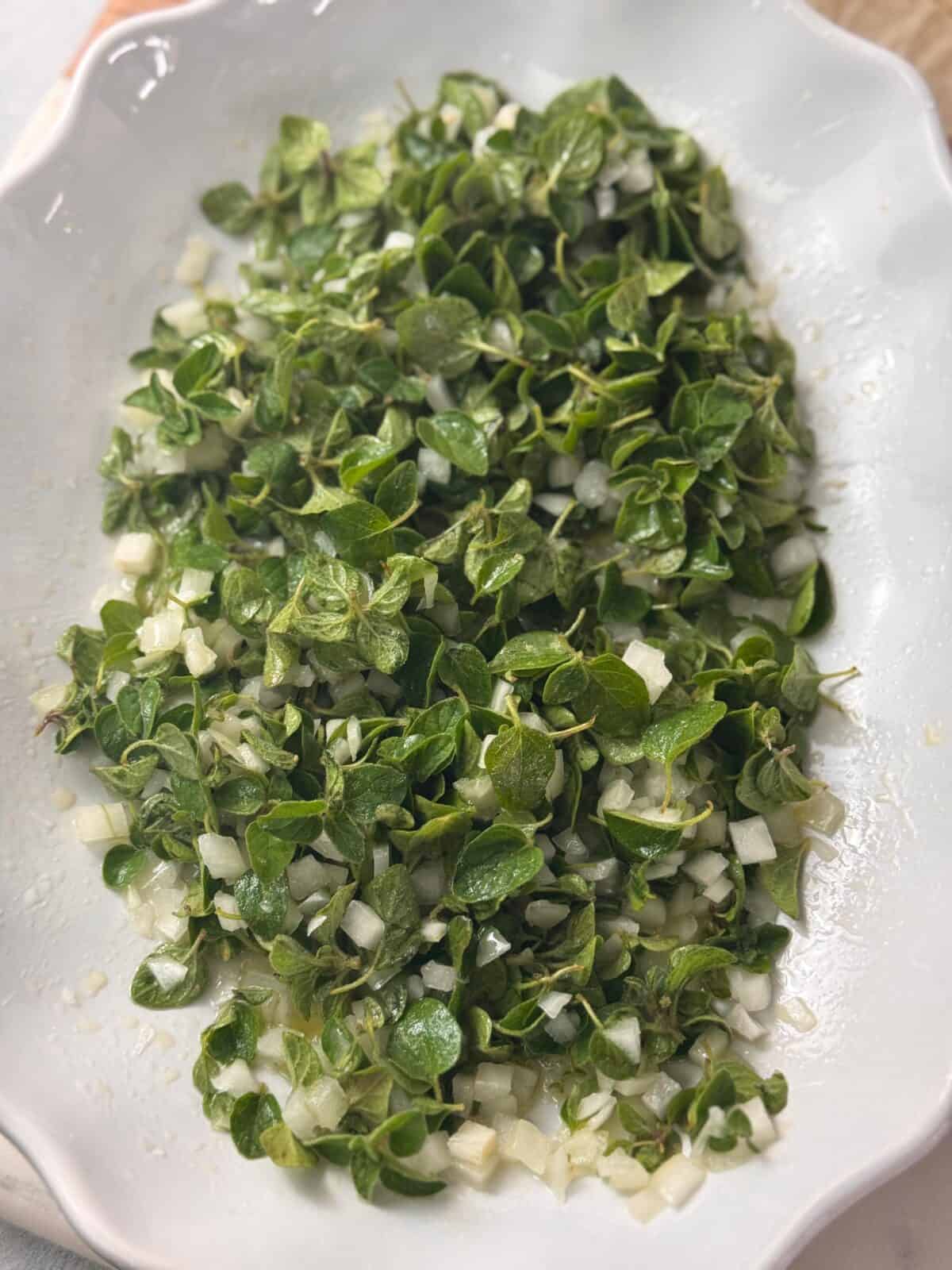
In a bowl, combine the zaatar leaves with the finely chopped onion.
3. Dress It Up
Squeeze in the lemon juice, add olive oil and salt, and gently toss to coat the leaves evenly. Be gentle—this salad doesn’t take rough handling. Taste and adjust seasoning (add more lemon, olive oil, or salt as needed).
4. Serve
Serve immediately, with warm pita bread or markook to scoop. The salad acts almost like a dip you can scoop instead of a leafy side.
Washing Tips
Wild zaatar often comes with a bit of soil or dust from the hills, so I always give it a gentle rinse in cold water—sometimes twice if needed.
I like to soak the leaves briefly in a bowl of water for a few minutes to let any dirt settle at the bottom, then lift them out instead of pouring the water off.
After rinsing, I spread the leaves on a clean kitchen towel or paper towel and gently pat them dry.
It’s best to let them air-dry for about 10–15 minutes before mixing the salad—wet leaves can water down the dressing.
Be gentle while handling the zaatar so you don’t bruise the delicate leaves—they’re tender and aromatic, and you want to keep all that freshness intact.

Serving Suggestions & Pairings
- Serve this Wild Green Zaatar Salad on the side of grilled meats (lamb, chicken, fish)
- Pair with labneh, soft cheeses, or feta on a mezze platter
- Let guests scoop it with warm pita, markook, or flatbread
- Add it to sandwiches or wraps inside for fresh herbal flavor
- Combine it with couscous or bulgur for a herb-boosted grain salad
Pro Tips
I always try to use the freshest wild zaatar leaves I can find — they make all the difference in flavor and aroma.
Go easy on the dressing; just a light drizzle of olive oil is enough to coat the leaves without making them heavy.
When it comes to lemon juice, I like to start small and add more as I go — it should taste bright and tangy, never bitter.
A good-quality extra virgin olive oil truly elevates this salad, so don’t skip it!
If your zaatar leaves taste a little strong or slightly bitter, I’ve found that a tiny pinch of sugar balances everything beautifully.
For a little crunch and color, I sometimes toss in a few paper-thin slices of cucumber or tomato — totally optional, but so good!
Storage & Meal Prep Tips
- Best eaten fresh — the leaves lose texture if dressed too early
- If prepping ahead, store dressing separately and toss just before serving
- Keep in a sealed container in the fridge for up to 1 day, but expect some wilting
- For picnics, carry pita or markook separately to keep the salad crisp
Frequently Asked Questions
Wild zaatar refers to a group of herbs in the Thymbra or Origanum genera, often called wild thyme or Syrian oregano, used fresh in salads or dried as part of the zaatar spice mix.
Yes — fresh thyme, marjoram, and oregano make good substitutes when wild zaatar isn’t available. Mix them together to get a balanced flavor.
It’s best eaten right away. If stored, it retains texture for about 1 day in the fridge, ideally with the dressing kept separate.
Absolutely. Some versions of zaatar salads include sumac for tanginess. A small sprinkle just before serving adds a lemony note.
More Salad You Must Try:

Wild Green Zaatar Salad
Ingredients
- 2 cups Fresh wild green zaatar leaves, picked off the stems
- 1 Onion, small, finely chopped or cubed
- 1-2 Juice of lemon, to taste
- 3-4 tablespoons Extra virgin olive oil
- Salt, to taste
- Pita bread or markook, for serving
Instructions
- Gently pick the wild zaatar leaves off their stems. Rinse them carefully and pat dry to avoid soggy leaves.
- In a bowl, combine the zaatar leaves with the finely chopped onion.
- Squeeze in the lemon juice, add olive oil and salt, and gently toss to coat the leaves evenly. Be gentle—this salad doesn’t take rough handling. Taste and adjust seasoning (add more lemon, olive oil, or salt as needed).
- Serve immediately, with warm pita bread or markook to scoop. The salad acts almost like a dip you can scoop instead of a leafy side.
Notes
- Go easy on the dressing; just a light drizzle of olive oil is enough to coat the leaves without making them heavy.
- When it comes to lemon juice, I like to start small and add more as I go — it should taste bright and tangy, never bitter.
- A good-quality extra virgin olive oil truly elevates this salad, so don’t skip it!
- If your zaatar leaves taste a little strong or slightly bitter, I’ve found that a tiny pinch of sugar balances everything beautifully.
- For a little crunch and color, I sometimes toss in a few paper-thin slices of cucumber or tomato — totally optional, but so good!
- Wild zaatar often comes with a bit of soil or dust from the hills, so I always give it a gentle rinse in cold water—sometimes twice if needed.
- I like to soak the leaves briefly in a bowl of water for a few minutes to let any dirt settle at the bottom, then lift them out instead of pouring the water off.
- After rinsing, I spread the leaves on a clean kitchen towel or paper towel and gently pat them dry.
- It’s best to let them air-dry for about 10–15 minutes before mixing the salad—wet leaves can water down the dressing.
- Be gentle while handling the zaatar so you don’t bruise the delicate leaves—they’re tender and aromatic, and you want to keep all that freshness intact.