
This post may contain affiliate links. Please read our disclosure policy.
A hot steaming bowl of Vietnamese pho soup, bursting with beefy, herby, and hearty flavors, is a must-try, especially on those cold, freezing days.
Vietnamese pho is one of the most comforting soups in the world. It is warm, aromatic, nourishing, and deeply satisfying. Made with a fragrant broth infused with spices such as star anise, cinnamon, and ginger, pho is all about balance, simplicity, and fresh toppings added at the end.
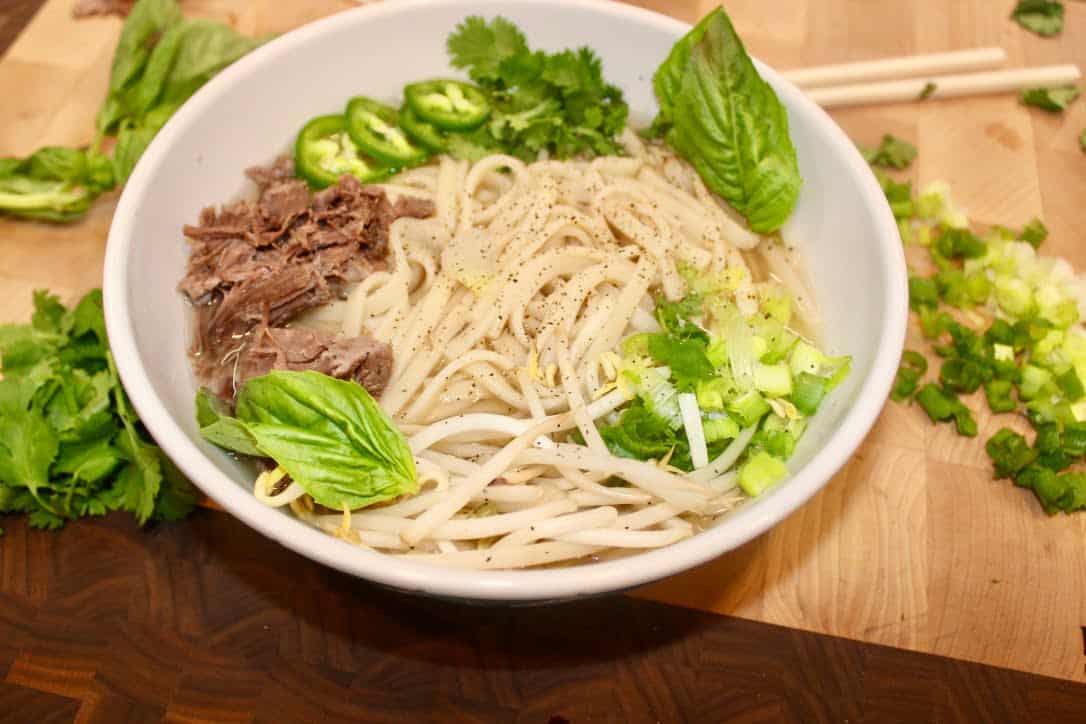
This version is easy, approachable, and perfect for feeding a crowd, while still honoring the soul of traditional pho. It’s a nourishing, soul-warming meal that everyone can tailor to their taste.
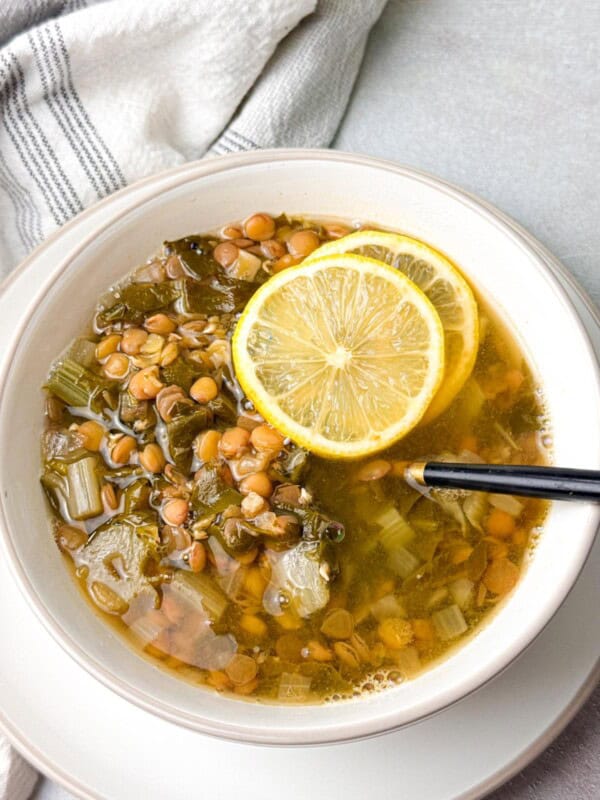
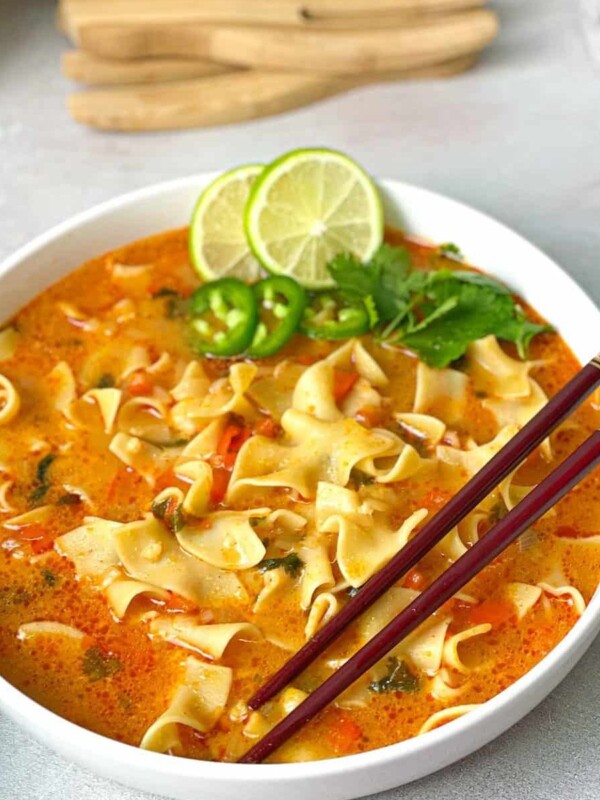
Whether you enjoy it the classic Vietnamese way or adapt it to what you have on hand, this bowl is meant to be customized, slurped, and savored. You will also have to try Thai Red Curry Noodle Soup, Creamy Broccoli & Mushroom Soup, and Mediterranean Lentil Soup.
Recipe Overview
Flavor Profile: Deeply savory and aromatic with warm spices, rich beefy broth, fresh herbs, and a bright citrus finish
Method: Simmered spiced broth + noodles + beef, finished with fresh garnishes
Skill Level: Beginner-friendly
Occasion: Perfect for cozy dinners, family gatherings, or meal prep
Texture: Silky broth, tender beef, soft rice noodles, and crisp fresh toppings
What Is Pho?
Pho is a traditional Vietnamese noodle soup known for its clear, aromatic broth and comforting yet light flavor.
At its core, this Asian inspired soup is made by slowly simmering beef bones with aromatics and warm spices such as star anise, cinnamon, cloves, ginger, and onion, creating a deeply savory and fragrant broth.
This broth is served over flat rice noodles (bánh phở) and typically paired with beef (pho bò) or chicken (pho gà).
Pho is finished with a generous assortment of fresh garnishes, including Thai basil, cilantro, bean sprouts, lime wedges, chilies, and green onions, allowing each bowl to be customized to taste.
Nourishing, naturally gluten-free, and beautifully balanced between rich and fresh flavors, pho soup has become a beloved staple in Vietnamese cuisine and a favorite comfort food around the world.
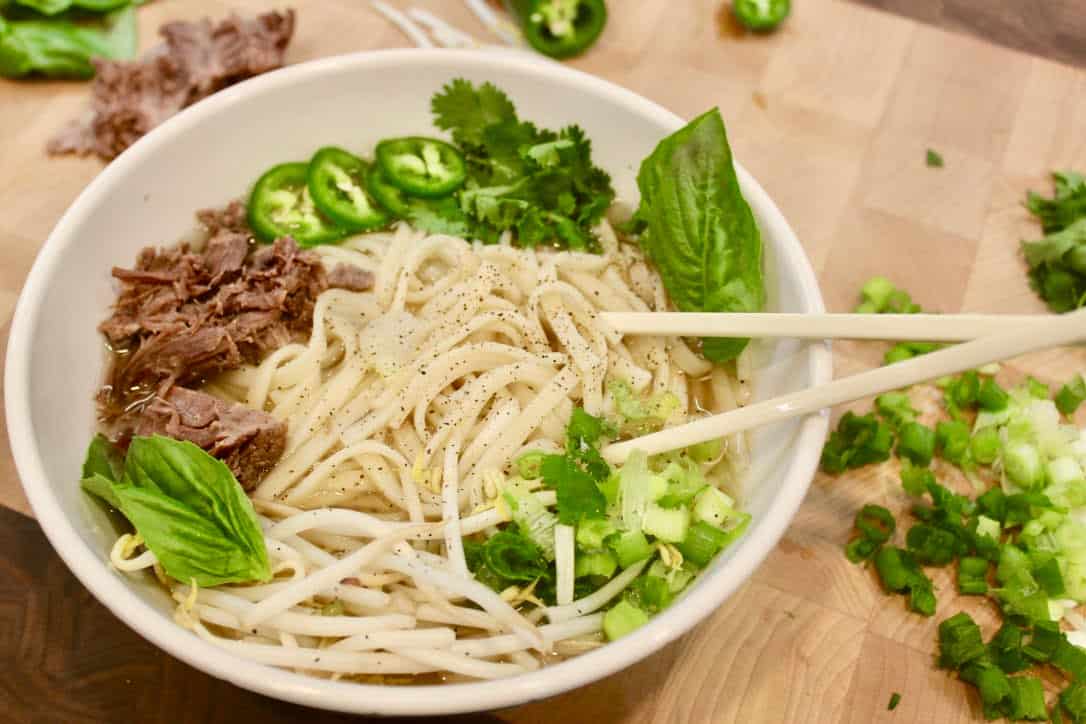
Ingredient Spotlight: Beef
Beef is the heart of traditional pho, providing richness, depth, and body to the broth.
Authentic Vietnamese beef pho (Phở Bò) often uses a combination of cuts. Cuts such as beef shanks, brisket, or chuck are especially prized because their bones, connective tissue, and marbling slowly break down during simmering, creating a deeply savory, gelatin-rich broth.
In addition to slow-cooked cuts added for flavor and tenderness in authentic Vietnamese pho soup, beef is used in another form. Traditionally, raw eye of round or sirloin is thinly sliced and placed raw in the bowl, cooked gently by the hot broth, which gives pho its signature delicate texture.
In my recipe, I use beef shanks as a personal preference, and they are also a traditional choice. Beef shanks add rich flavor and a nourishing broth due to connective tissue, and provide tender meat when simmered.
This makes the Vietnamese pho soup recipe more approachable for home cooks who prefer fully cooked meat.
Ingredients
For the Pho Soup
- Beef broth
- Beef shanks
- Pho rice noodles
- Yellow onion
- Garlic cloves
- Bouillon cubes
- Whole star anise
- Whole cloves
- Ginger
- Cinnamon stick
- Salt
- Pepper
For Garnish
- Bean sprouts
- Fresh cilantro
- Fresh ginger slices
- Lime or lemon wedges
- Green onions
- Jalapenos
- Thai basil
How to Make Vietnamese Pho Soup
Place the beef shank along with bouillon cubes, onion, garlic, star anise, cloves, ginger, cinnamon stick, salt, and pepper in at least 12 quarts of water. Set on high for 1 hour. (If cooking on the stove top, cook for at least 1 hour since the meat needs time to tenderize)
Once the meat has cooked and the broth has infused, remove the beef to a small pot with some of the broth to keep it moist and juicy.
Meanwhile, cook the noodles according to package instructions.
When you are ready to serve the soup, fill the bowl halfway full with the cooked noodles, then scoop in broth to fill the bowl. Place the desired amount of the cooked meat.
Finally, top your soup with your desired garnishes. Serve and enjoy.
Serving Suggestions
Serve this Vietnamese pho soup piping hot in large bowls, with the noodles and meat fully submerged in the hot, fragrant broth poured over the top so every bite is light, comforting, and flavorful.
In traditional beef pho, some cuts of beef are added raw and gently cooked by the hot broth right before eating.
Arrange the fresh garnishes on a platter or in small bowls and let everyone customize their own bowl. This is part of the pho experience.
For a classic pho bowl, top with bean sprouts, fresh cilantro, Thai basil, thinly sliced jalapeños, and green onions, then finish with a generous squeeze of lime or lemon to brighten the rich broth.
If serving pho as part of a larger meal, pair it with Vietnamese spring rolls, egg rolls, or a light cucumber salad to keep the meal balanced. For extra heat and depth, offer hoisin sauce, sriracha, or chili oil on the side.
Substitutes
Noodle: You can use fettuccine-style rice noodles or shirataki noodles in place of traditional pho rice noodles.
Meat Variations
Beef shank is rich in connective tissue, making it ideal for a deeply flavored, gelatinous broth and tender meat after simmering. However, you can swap it for other options.
- Beef brisket or chuck: Great alternatives that become tender with long simmering and add body to the broth.
- Short ribs: Luxurious and rich, ribs add intense beef flavor and a silky mouthfeel to the broth.
- Thinly sliced raw beef (traditional method): Eye of round, sirloin, or filet mignon sliced paper-thin and added raw to the bowl, where the hot broth gently cooks the meat as you eat.
- Oxtail or beef bones: They are excellent for extra richness and collagen when added to the broth.
- Chicken (Pho Gà): Use chicken broth and bone-in chicken thighs, drumsticks, or a whole chicken to create this lighter variation.
- Vegetarian pho: Use vegetable broth, charred onion and ginger, mushrooms, and tofu for a hearty, meat-free option.
- Shrimp: Pho traditionally doesn’t include shrimp. If you choose to use it, add the shrimp at the end in a lighter broth to avoid overcooking, and remove the shells first.
Recipe Tips
Let the broth do the work: The key to great pho is a deeply infused broth. Simmering the aromatics and spices low and slow allows the flavors to fully develop without becoming cloudy.
Use very hot broth: The broth should be almost boiling when poured over the noodles and meat. This is especially important if you’re using thinly sliced beef that cooks directly in the bowl.
Don’t overcook the noodles: Rice noodles cook quickly. Rinse them with cold water after cooking to stop them from getting mushy.
Let the noodles swim: Always add plenty of hot broth so the noodles are fully submerged; this keeps them silky and prevents clumping. Pho should be soupy, not thick or dry.
Season at the end: Taste the broth after simmering and adjust salt or bouillon only at the end for the best balance.
Slice meat thinly: If using raw beef slices, cut them paper-thin so the hot broth gently cooks them in seconds.
Customize your bowl: Garnishes aren’t optional. Fresh herbs, citrus, and spices are essential to balance the rich broth and make pho special.
Storage Tips
Refrigerator: Store broth and noodles separately. Keep the broth in an airtight container and the cooked noodles in a separate container to prevent over-sogginess. Pho broth keeps well for 3–4 days in the fridge.
Freezer: The pho broth freezes beautifully for up to 3 months. Freeze without noodles or garnishes.
Reheating: Reheat the broth on the stovetop until very hot before serving. Add noodles and meat only after reheating.
Meal prep tip: Prepare garnishes ahead of time and store them in small containers so your pho bowls come together quickly throughout the week.
Frequently Asked Questions
Yes. Pho broth tastes even better the next day. You can make the broth up to 3 days in advance, store it in the refrigerator, and reheat it gently before serving.
Star anise, cinnamon, and cloves are key. They create pho’s signature aroma.
Yes. Pho is naturally nourishing, high in protein, hydrating, and packed with warming spices. When made at home, it’s lighter, cleaner, and more balanced than many restaurant versions.
When sliced thin and covered with boiling broth, it cooks instantly and is traditionally served this way.
Serve hoisin sauce, sriracha, chili oil, or sambal oelek on the side so each person can adjust the sweetness and heat to their preference.
More Cozy Soup Recipes To Try
Vietnamese Pho Soup Recipe
Ingredients
For the Soup
- 12 cups Beef broth, 3 quarts
- 12 ounces Beef shanks
- 1 package Pho rice noodles
- 1 medium Yellow onion, quartered
- 4 Garlic cloves, roughly minced
- 2 Bouillon cubes
- 3 Whole star anise
- 3 Whole cloves
- 1 (3-inch) Knob of ginger, thinly sliced
- 1 Cinnamon stick
- Salt, to taste
- Pepper, to taste
For Garnish
- Bean sprouts
- Fresh cilantro
- Fresh ginger slices
- Lime or lemon wedges
- Green onions, thinly-chopped
- Jalapenos, thinly-sliced
- Thai basil
Instructions
- Place the beef shank along with bouillon cubes, onion, garlic, star anise, cloves, ginger, cinnamon stick, salt, and pepper in at least 12 quarts of water. Set on high for 1 hour. (If cooking on the stove top, cook for at least 1 hour since the meat needs time to tenderize)
- Once the meat has cooked and the broth has infused, remove the beef to a small pot with some of the broth to keep it moist and juicy.
- Meanwhile, cook the noodles according to package instructions.
- When you are ready to serve the soup, fill the bowl halfway full with the cooked noodles, then scoop in broth to fill the bowl. Place the desired amount of the cooked meat.
- Finally, top your soup with your desired garnishes. Serve and enjoy.

This recipe was an exciting find! I’ve never tried cooking any Vietnamese recipe before, but I’m so excited to try this soup. looks easy